Cybersecurity in 2026: The Big Picture
Cybersecurity in 2026 is shaped by two clear forces. First, organizations across all sectors continue to expand their digital footprint. Second, attackers are adopting new technologies, especially AI, at an unmatched pace.
The result is an attack surface that is growing faster than most organizations can realistically secure. Cloud platforms, connected devices, remote work, digital financial services, and complex supply chains create a world where cyber risk is no longer contained.
Today’s reality is simple:
- No organization operates in isolation
- Threats move across borders in seconds
- Regulation now shapes security decisions as much as technology
- AI is changing how attacks are launched and defended against
Regulatory frameworks such as NIS2, DORA, and the Cyber Resilience Act are pushing companies toward stronger accountability and transparency. At the same time, advances in AI and quantum computing are forcing organizations to rethink long-term security choices.
Below are the key cybersecurity trends that will define 2026.
1. NIS2 and DORA: Cybersecurity Becomes a Board-Level Responsibility
By 2026, NIS2 and DORA have firmly shifted cybersecurity away from being a purely technical concern. These regulations expand the number of organizations required to meet defined security standards and demonstrate continuous risk management.
Incident response plans must be documented and tested, risks reassessed regularly, and supplier security actively monitored. Executive leadership is expected to understand cyber risk and make informed decisions rather than leaving responsibility entirely to technical teams. For many organizations, this requires new reporting structures and closer cooperation between IT, security, legal, and compliance functions.
Key points
- Cybersecurity accountability extends to executive leadership
- Faster incident reporting is mandatory
- Supplier and vendor security must be documented
- Compliance failures can lead to significant penalties
2. Cyber Resilience Act (CRA): Security Built Into Products
The Cyber Resilience Act (CRA) introduces a major shift in how digital products are developed and maintained. Instead of fixing security issues after release, manufacturers are expected to manage security risks throughout the entire product lifecycle.
This applies to software, hardware, and connected devices sold in the European market. Development teams must demonstrate secure coding practices, vulnerability testing, and clear plans for patching and long-term support. Customers increasingly expect proof that products meet basic security standards before deployment.
Security is no longer a differentiator, it is becoming a baseline expectation.
Key points
- Products must be secure before release
- Vendors must manage vulnerabilities throughout the product lifecycle
- Security becomes a product quality requirement
3. Post-Quantum Cryptography: Preparing Before It’s Urgent
Post-quantum cryptography is gaining attention not because quantum computers are already breaking encryption, but because sensitive data often needs to remain confidential for many years.
In 2026, organizations are identifying where traditional encryption is used, particularly in long-lived systems such as databases, backups, and communication platforms. Some are testing hybrid approaches that combine classical and quantum-resistant algorithms.
The focus is not immediate replacement, but preparation. Delaying action increases long-term exposure.
Key points
- Data stolen today may be exposed later
- Organizations are mapping cryptographic usage
- Hybrid encryption approaches are emerging
- Long-term data protection drives early adoption
4. Deepfakes and AI-Driven Social Engineering
Attackers can now generate realistic voice recordings, write natural-sounding emails, and create convincing video content with minimal effort. In 2026, these techniques are no longer experimental.
Employees increasingly receive messages that appear to come from trusted leaders or partners. These messages often create urgency and pressure recipients to bypass established controls. Because the content looks and sounds authentic, traditional awareness training alone is no longer sufficient.
Organizations are revising approval processes and evaluating tools that detect synthetic media. Trust in digital communication must now be verified.
Key points
- Deepfake files surged from 500K in 2023 to 8M in 2025 (900% annual growth)
- Voice cloning is cheap, fast, and convincing
- Human detection rates for high-quality videos are just 24.5%
- Multi-step approval processes are essential
5. Ransomware Continues to Change
Ransomware groups continue to evolve. In 2026, many attacks no longer rely on encryption alone. Instead, attackers focus on stealing data, disrupting cloud environments, or damaging information so it cannot be trusted.
Identity systems and cloud services are frequent entry points, allowing attackers to operate quietly. Once access is established, data can be copied quickly and used as leverage. AI tools are increasingly used to identify valuable targets and automate movement.
Ransomware response now involves legal, communications, and leadership teams alongside technical staff.
Key points
- Ransomware remains the costliest type of cyberattack
- Only 46% of paying victims fully recover their data
- 80% of organizations that paid were hit again
- Data theft is often the main goal
6. Identity Becomes the Main Security Control
As cloud adoption and remote access continue to grow, attackers increasingly gain access by logging in rather than breaking in. Stolen credentials, tokens, and misconfigured permissions are common entry points.
Identity environments are complex. Employees, contractors, applications, automation tools, and AI systems all require access, often across multiple platforms. Gaps are easy to miss.
Security teams are focusing on limiting permissions, monitoring behavior, and improving visibility into how identities are used. Machine identities are receiving greater attention due to their broad access and limited oversight.
Key points
- Identity failures are a leading cause of cloud breaches
- Credentials are the primary attack target
- Token theft bypasses MFA
- Behavior monitoring improves detection
7. Supply Chain Attacks Remain a Major Risk
Organizations depend on a wide range of external suppliers for software, services, and infrastructure. Attackers exploit this by targeting smaller or less secure partners to reach larger organizations.
A compromised update, vulnerable library, or insecure integration can introduce risk without warning. These attacks often affect many organizations at once.
Supply chain security is now treated as an ongoing process, not a one-time assessment.
Key points
- Supply chain compromise is a top EU cyber threat
- Third parties expand the attack surface
- Continuous vendor monitoring is growing
- Trust requires verification
8. ICS and OT Systems Under Pressure
Industrial systems supporting energy, manufacturing, and transportation are increasingly connected to IT networks and cloud platforms. Many still rely on legacy technology that is difficult to update or monitor.
This makes early detection harder and raises the stakes, as disruptions can affect physical operations. Organizations are investing in better visibility, segmentation, and cooperation between IT and operational teams.
Protecting these environments requires specialized knowledge and long-term planning.
Key points
- Legacy systems are hard to update
- Monitoring tools are improving
- IT and OT teams must cooperate
- Physical disruption is a real risk
9. Mobile Devices as an Entry Point
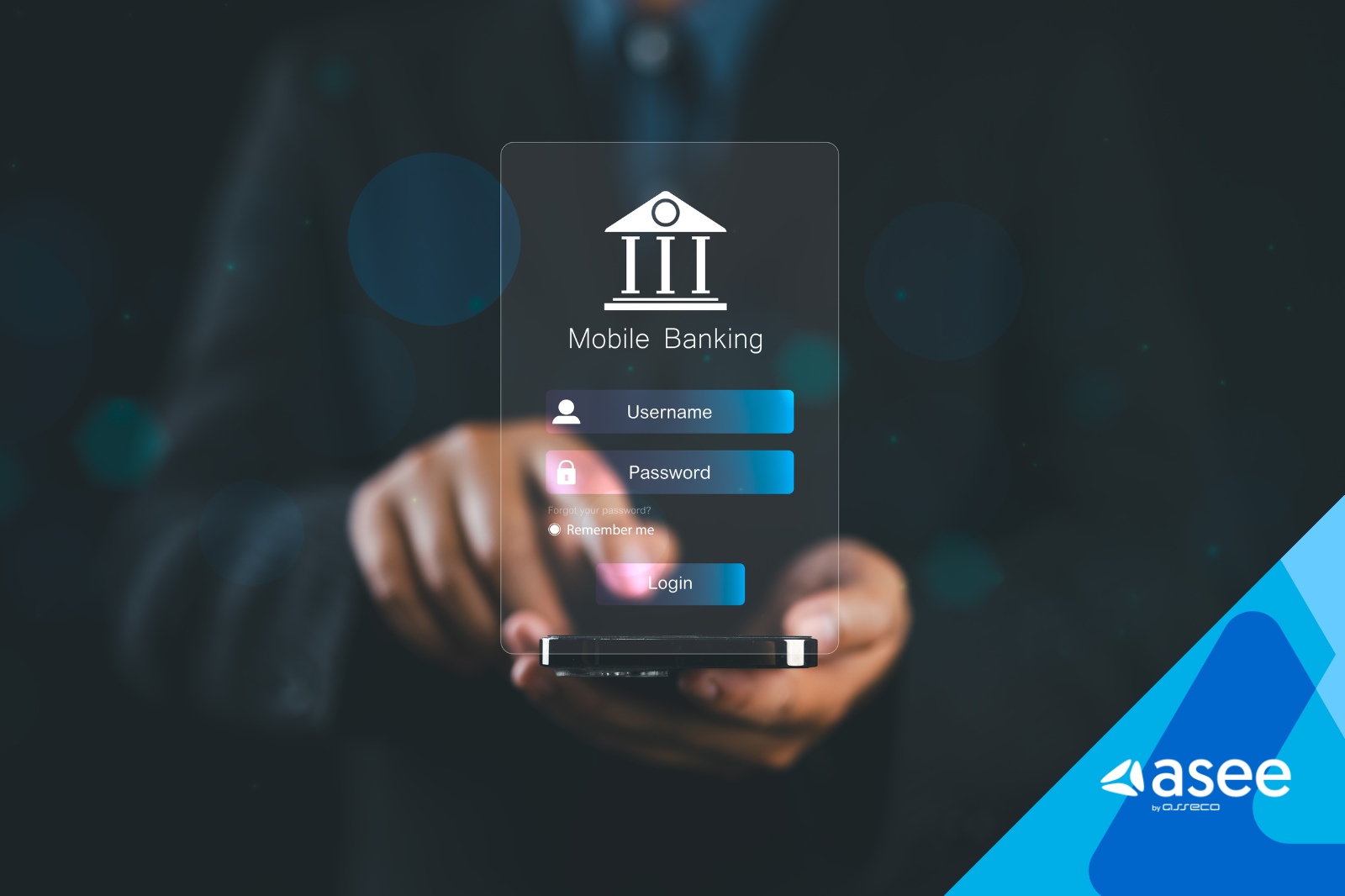
Mobile security is shifting from device-level controls to app-level protection. Attackers increasingly target mobile applications used for payments, authentication, customer access, and internal workflows.
By reverse-engineering apps, tampering with code, or injecting malicious frameworks, attackers can bypass controls and access backend systems. Because mobile apps often act as gateways to APIs and cloud services, a single compromised app can expose much larger environments.
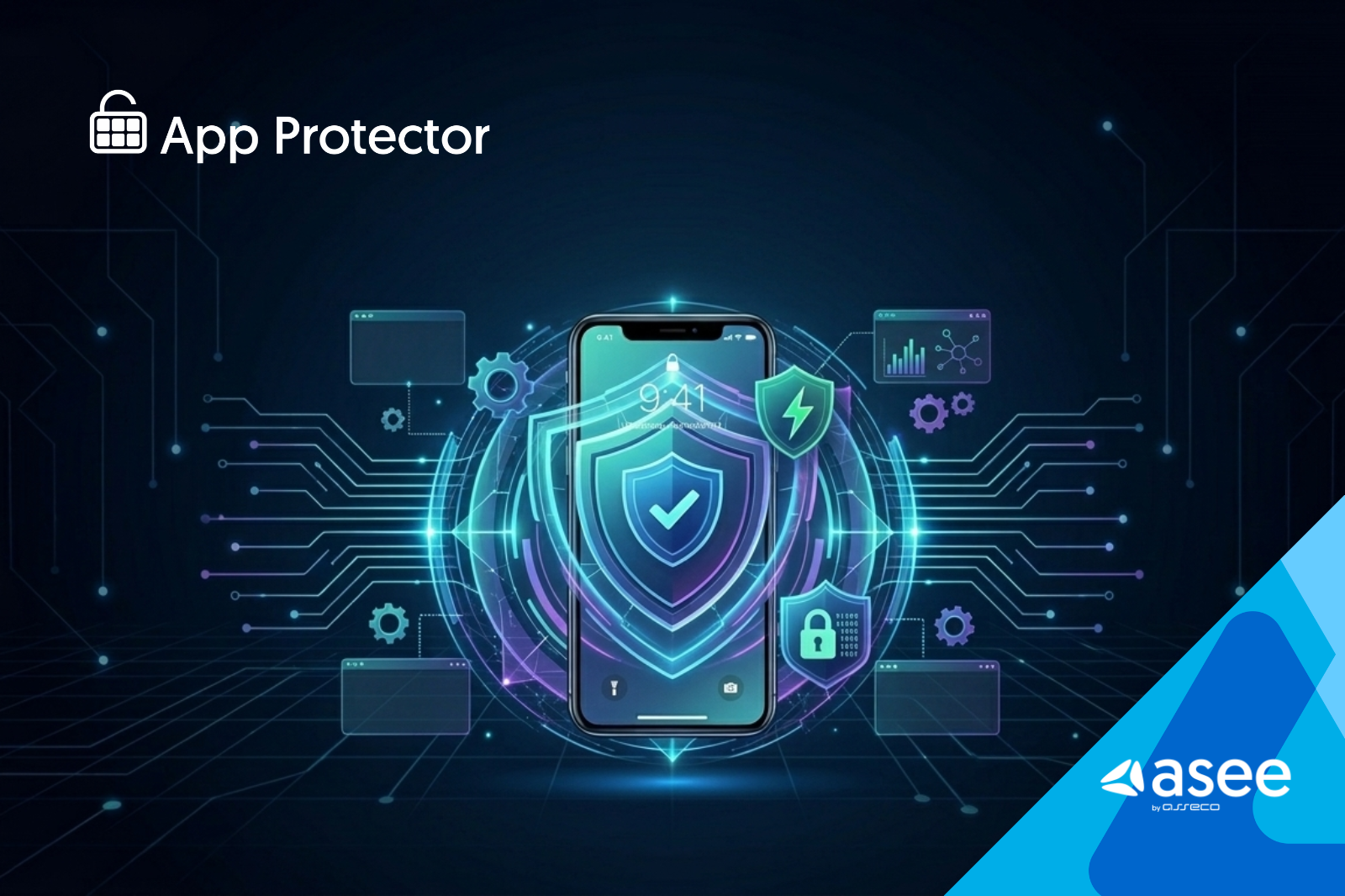
Organizations are embedding security directly into mobile apps through integrity checks, code obfuscation, and runtime protection mechanisms.
Key points
- Mobile phishing is increasing
- Malicious apps bypass user awareness
- Token theft enables account access
- App-level security controls are essential
10. DDoS Attacks Drive Demand for Resilience
DDoS attacks are larger, more frequent, and often automated. They are commonly used to disrupt services or distract defenders during other attacks.
Because stopping every attack is unrealistic, organizations are focusing on resilience. Systems are designed to scale under pressure, and partnerships with mitigation providers are now standard.
DDoS protection has become a business continuity concern, not just a technical one.
Key points
- Attacks are frequent and automated
- IoT botnets increase scale
- Cloud-based mitigation is standard
- Availability is critical to trust
Conclusion
Cybersecurity in 2026 is shaped by responsibility, resilience, and realism. Regulations are stricter, attackers are faster, and digital systems are more connected than ever. Organizations can no longer rely on isolated controls or reactive measures.
The trends outlined above point to a clear direction: security must be built in, continuously monitored, and aligned with business priorities. Companies that invest early in strong foundations, visibility, and prevention will be better prepared to operate securely, meet regulatory expectations, and maintain trust in a challenging threat landscape.
eBook
Trust Under Pressure: Cybersecurity Trends Shaping 2026
This ebook provides practical insight to help organizations understand where risks are increasing and how security strategies must adapt to remain effective and trusted.
In case you're curious, feel free to contact us - zero obligation. Our ASEE team will be happy to hear you out.